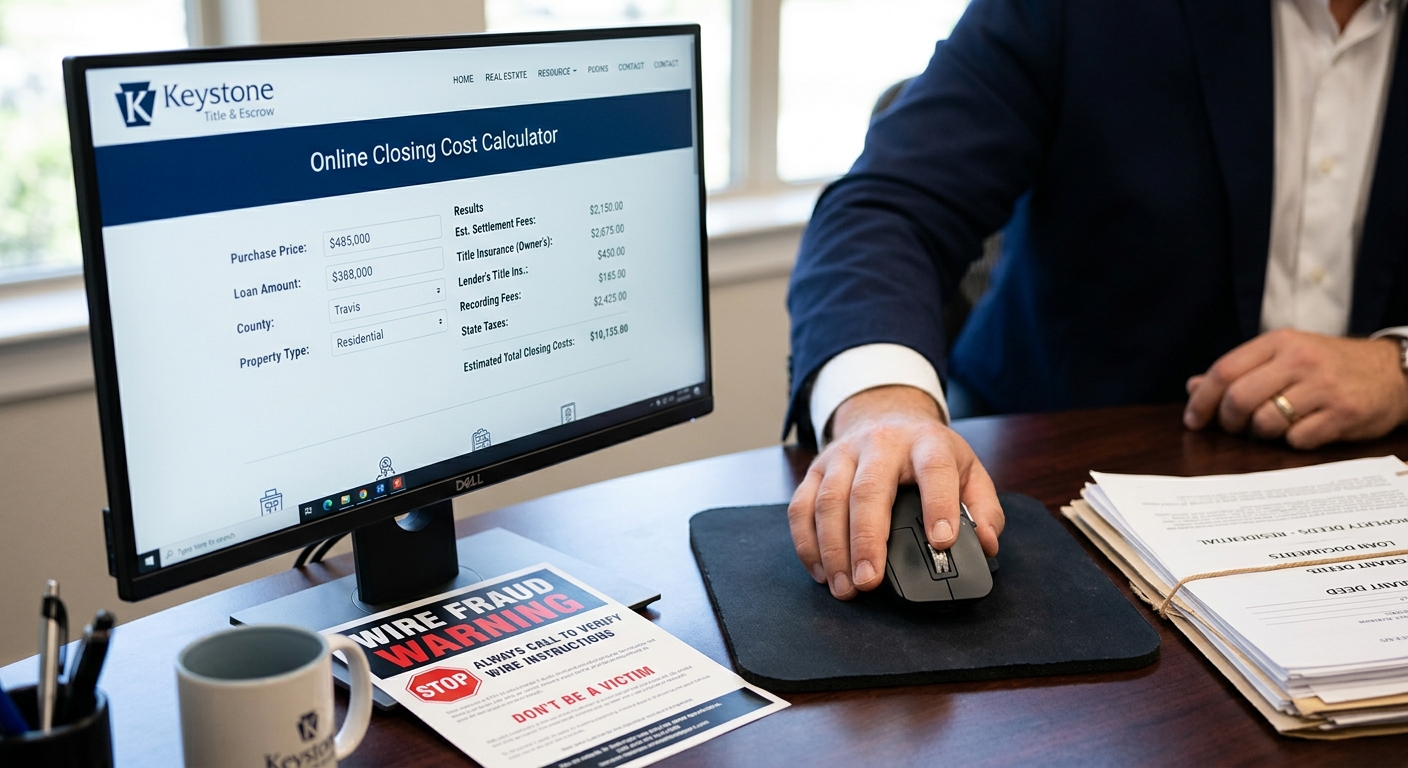
How to Protect Yourself From Wire Fraud at Closing
The most dangerous moment in a home purchase is not the inspection or the appraisal. It is the minute you sit down to wire your down payment. That is when criminals strike — and they are very good at it.
How the scam works
Fraudsters monitor real estate transactions, often by breaking into an email account belonging to someone in the deal. Days before closing, they send an email that looks exactly like it came from your closer, your agent, or your lender. It says the wire instructions have “changed” and provides a new account number. Send the money there, and it is gone — usually within hours, and usually forever.
The one rule that stops it
Never trust wire instructions you received by email. Not the first set, not a “corrected” set. Always pick up the phone and verbally confirm the numbers using a phone number you looked up yourself — from a business card, a signed document, or the company website — never a number printed in the email itself.
What Keystone will and will not do
- We will never send you new or changed wire instructions by email.
- We will always encourage you to call our office and confirm every digit before you send a cent.
- We keep earnest money and loan funds moving through a secure portal, not loose email attachments.
Extra habits worth building
- Be suspicious of any last-minute change in payment instructions — urgency is the scammer’s favorite tool.
- Confirm the receipt of your funds by phone within a few hours of sending them.
- If anything feels off, stop and call us. A five-minute call is cheaper than a lost down payment.
Wire fraud is preventable. The people who lose money almost always skipped the phone call. Make the call — every time.